
HELPING BUILD FAMILIES SINCE 2012
Washington Fertility & Surrogacy Lawyers
FSLG focuses on fertility, surrogacy and third-party reproduction law. Our legal team includes Washington-licensed attorneys who help intended parents, gestational carriers, egg, sperm and embryo donors, agencies and clinics navigate the legal aspects of family building in Washington State.

Helping Families Build Their Future

Since 2012
Helping Build Families

Multi-State
Licensed Attorneys

100% Focused
Reproductive Law

Worldwide
Support & Coordination
Your Fertility & Surrogacy Attorneys

Rich Geisler
Principal & Founder

Erin O. Allen
Senior Associate Attorney

Megan Gruter
Associate Attorney

David Hinton
Associate Attorney
Who We Represent in Washington
Our role is not simply to prepare paperwork
We are here to help you understand the legal path before you make important decisions and to keep the legal pieces coordinated with your clinic, agency, surrogate, donor and other professionals involved in the journey.

Intended Parents
Understand the agreements, parentage steps and legal decisions needed to move from planning through birth with a clearer legal framework.

Gestational Carriers & Surrogates
Receive independent legal representation to understand your agreement, responsibilities, compensation provisions, medical-decision terms and other rights before signing.

Egg, Sperm & Embryo Donors
Create clear agreements addressing intent, responsibilities, confidentiality, future contact and the legal relationship between donor and intended family.

LGBTQ+ & Single Intended Parents
Plan for parentage based on your specific family structure, use of donor material and the jurisdictions involved in your journey.

International Intended Parents
Coordinate U.S. fertility-law requirements with birth records, passports, travel documentation and home-country legal considerations.

Agencies, Clinics & Donor Programs
Support agreements, forms and legal processes that help keep professional and client expectations clear from the beginning.
When Should You Connect with a Fertility Lawyer?
Agencies, clinics, donor programs and surrogacy arrangements can introduce contracts, consent forms and legal deadlines at different points in the journey. An experienced fertility lawyer can help you identify the legal steps early enough so they can be handled in the right order.
1
Before choosing an arrangement
Which state's laws may apply to the people involved?
2
Before signing agency/clinic documents
Do the documents align with your legal plan and intentions?
3
Before signing a donor/surrogacy agreement
Are rights, responsibilities, financial terms and important contingencies clear?
4
Before embryo transfer
Have the legal prerequisites for the arrangement been completed?
5
During pregnancy
When should the parentage process begin?
6
Before birth or international travel
What court orders, records, certificates, or travel documents may be needed?
Fertility and Surrogacy Legal Solutions in Washington
Agencies, clinics, donor programs and surrogacy arrangements can introduce contracts, consent forms and legal deadlines at different points in the journey. An experienced fertility lawyer can help you identify the legal steps early enough so they can be handled in the right order.

Gestational Surrogacy Agreements
We draft and review agreements that define the intended parents' and gestational carrier's rights, responsibilities and expectations before the medical process moves forward.

Parentage & Pre-/Post-Birth Orders
We help intended parents complete the legal steps required to establish parentage and coordinate applicable court proceedings and birth documentation before or after delivery.

Egg Donation Agreements
We prepare and review egg donation agreements designed to clearly document the parties' intent, responsibilities, expectations and other important terms.

Sperm Donation Agreements
Known and directed sperm donation arrangements can raise important parentage and relationship questions. We help document the parties' intentions clearly.

Embryo Donation & Disposition
We assist with agreements addressing embryo donation, disposition, future use and the legal intentions of the people involved.

Hospital & Vital Records
We coordinate legal parentage documentation with hospitals and vital-record offices, including birth-registration paperwork, birth certificates and related post-birth documentation.

Escrow & Financial Management
FSLG provides funds-management support for applicable fertility and surrogacy arrangements, helping parties manage financial obligations through a structured process.

International & Cross-Border Family Building
When intended parents, surrogates, donors or treatment providers are in different states or countries, we help coordinate the legal steps and documentation that intersect across jurisdictions.
Why You Need an Experienced Washington Fertility Lawyer
Building a family through assisted reproduction involves more than medical decisions. Agreements, parental rights, donor arrangements and the laws that apply to your journey all need to work together.
Washington's Uniform Parentage Act, under Chapter 26.26A RCW, provides a legal framework for assisted reproduction, donor parentage and surrogacy agreements. It establishes important requirements for eligibility, independent legal representation, the execution of surrogacy agreements and the process for determining parentage.
Working with an experienced Washington fertility lawyer can help ensure the legal requirements are addressed at the appropriate stage of your journey.
Separate Legal Counsel Matters
Under RCW 26.26A.705 and 26.26A.710, the intended parent or parents and the gestational surrogate must have independent legal representation of their choosing concerning the surrogacy agreement and its legal consequences.
Washington law also requires the intended parents to pay for the surrogate's independent legal representation.
Eligibility and Screening Requirements
Washington law establishes eligibility requirements for surrogates and intended parents. These include minimum age requirements and medical and mental-health evaluations or consultations.
A surrogate must also have previously given birth. Understanding these requirements early can help the parties determine whether the proposed arrangement qualifies under Washington law.
The Surrogacy Agreement Must Be Completed Before Treatment
Washington requires a surrogacy agreement to be in writing, signed by the required parties and notarized or witnessed.
The agreement must be executed before medical procedures related to the surrogacy arrangement begin, with statutory exceptions for specified medical evaluations and mental-health consultations.
Parentage Can Be Addressed Before Birth
For a qualifying gestational surrogacy arrangement, Washington law allows parties to begin court proceedings to establish intended-parent rights before the child is born.
A court may issue a pre-birth parentage judgment, with enforcement stayed until birth, and direct how the intended parents are recorded on the child's birth certificate.
Donor Arrangements Have Their Own Parentage Rules
Washington's Uniform Parentage Act addresses donor parentage for assisted reproduction.
Under RCW 26.26A.605, a donor is not a legal parent of a child conceived through assisted reproduction within the relevant statutory framework.
Egg, sperm and embryo donation arrangements should still be carefully documented to address the parties' intentions, responsibilities, treatment arrangements and other important considerations.
Washington State Surrogacy Laws at a Glance
Washington State has a statutory framework governing gestational surrogacy, eligibility, agreements and legal parentage under its Uniform Parentage Act. But the requirements and court procedures still depend on the specific arrangement.
Here is a quick overview of the legal requirements intended parents and gestational carriers should understand before beginning a surrogacy journey.
| Topic | Washington State at a Glance |
|---|---|
| Gestational Surrogacy | Permitted under Washington law, subject to applicable statutory requirements. |
| Compensated Surrogacy | Permitted. Compensation, expenses and financial responsibilities should be addressed in the surrogacy agreement. |
| Same-Sex Intended Parents | May pursue gestational surrogacy and establish legal parentage under Washington’s statutory framework. |
| Single Intended Parents | May pursue gestational surrogacy, subject to applicable eligibility and agreement requirements. |
| Married & Unmarried Intended Parents | Washington’s gestational surrogacy framework is not limited to married intended parents. |
| Surrogate Eligibility | A surrogate must be at least 21, have previously given birth and satisfy statutory medical, mental-health and other eligibility requirements. |
| Intended Parent Eligibility | Each intended parent must be at least 21 and satisfy applicable medical, mental-health and independent-counsel requirements. |
| Independent Legal Representation | Required for the surrogate and each intended parent. Intended parents must pay for the surrogate’s independent counsel. |
| Written Surrogacy Agreement | Required. The agreement must be signed by the required parties, with signatures notarized or witnessed. |
| Agreement Before Treatment | The agreement must be completed before covered surrogacy-related medical procedures begin, except for specified evaluations and consultations. |
| Washington State Connection | At least one party must reside in Washington, or a qualifying medical evaluation, procedure or mental-health consultation must occur in the state. |
| Pre-Birth Parentage Orders | Available for qualifying gestational-surrogacy arrangements. Court judgments issued before birth are stayed until the child is born. |
| Birth Records | The court may direct the state registrar to list the intended parent or parents on the child’s birth record. |
| Genetic Surrogacy | Governed by additional statutory rules, including court-validation and parentage procedures distinct from gestational surrogacy. |
| Interstate & International Journeys | Possible, but the relevant laws and documentation requirements of other connected jurisdictions must also be considered. |
Do I Need a Fertility Lawyer Near Me in Washington?
Not necessarily.
Many parts of a fertility or surrogacy legal matter, including consultations, document review, agreement negotiations and coordination with other professionals, can be handled remotely.
What matters more is whether your attorney is appropriately licensed for the work involved and understands assisted reproduction, the relevant state's legal requirements and how the different parts of your journey fit together.
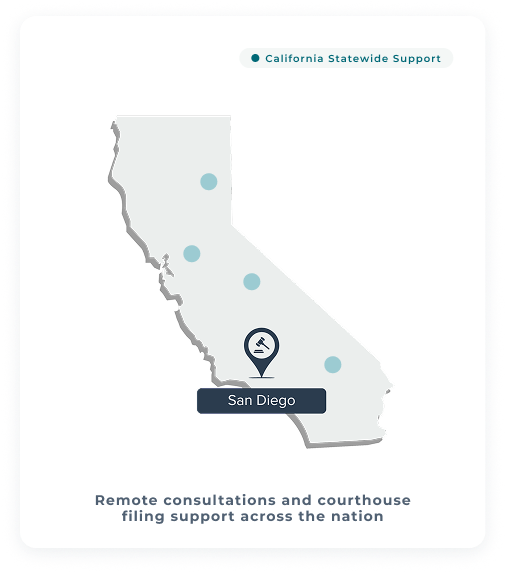
FSLG is headquartered in San Diego, California, and its legal team includes Washington-licensed attorneys. We assist clients with Washington-connected fertility and surrogacy matters throughout the state, including Seattle, Bellevue, Tacoma, Spokane, Vancouver, Olympia and surrounding communities.
Legal Support When Your Fertility Journey Crosses State Lines
Your family-building journey may involve people and professionals in different locations.
For example, intended parents may live in Washington while their gestational carrier lives in California or Oregon, or their fertility clinic may be located in another state.
These arrangements require more than simply choosing one state's law. The relevant jurisdictions may affect the agreement, medical timeline, parentage proceedings and post-birth documentation.
FSLG's multi-state legal capabilities allow us to help coordinate these requirements, including working with additional reproductive-law counsel when another jurisdiction requires it.
Our goal is to help you understand how the legal pieces fit together, even when your journey does not remain within a single state.
What Families Say About Working With FSLG
Frequently Asked Questions About Washington Reproductive Attorneys
When should I contact a Washington fertility lawyer?
Ideally, speak with a fertility lawyer before signing important agreements or reaching a medical milestone that depends on legal documentation being complete. That means before entering a surrogacy arrangement, signing egg or sperm donation agreements, completing agency or clinic paperwork or moving toward embryo transfer.
Early legal involvement provides time to evaluate the relevant jurisdictions, review documents and coordinate the legal requirements with other professionals involved in the journey.
Is gestational surrogacy legal in Washington State?
Yes. Gestational surrogacy is permitted under Washington's Uniform Parentage Act, Chapter 26.26A RCW.
Washington law establishes requirements relating to surrogate and intended parent eligibility, independent legal counsel, written agreements and parentage proceedings. A surrogacy arrangement must satisfy the applicable statutory requirements, making early legal guidance an important part of the planning process.
Do intended parents and surrogates need separate attorneys in Washington?
Yes. Washington law requires the surrogate and intended parent or parents to have independent legal representation throughout the surrogacy arrangement concerning the agreement and its legal consequences. The intended parents are also required to pay for the surrogate's independent legal representation. These requirements help ensure each party receives advice concerning their own rights, obligations and the terms of the arrangement.
What should a Washington surrogacy agreement include?
A Washington surrogacy agreement should address the legal intentions and responsibilities of the parties and satisfy the applicable statutory requirements.
Important subjects commonly include parentage, compensation, expenses, insurance, medical care, treatment expectations, pregnancy-related contingencies, confidentiality, delivery planning and other legal obligations. Washington fertility laws also impose requirements relating to the parties who must sign the agreement, signatures, independent representation and when the agreement must be executed.
Can intended parents obtain a pre-birth parentage order in Washington?
Yes. RCW 26.26A.750 allows court proceedings to establish legal parentage before birth in qualifying gestational-surrogacy arrangements.
A court may issue an order establishing the intended parents' legal parentage and directing the appropriate birth-record documentation. Enforcement of a judgment issued before birth is stayed until the child is born.
Can a Washington fertility lawyer help with egg, sperm and embryo donation agreements?
Yes. Fertility lawyers help intended parents and donors prepare or review agreements addressing parental intent, the use of reproductive material, responsibilities, confidentiality, future contact and other expectations. Washington law addresses donor parentage under the Uniform Parentage Act, but the legal documentation should still reflect the particular arrangement and the people involved.
Does my Washington fertility lawyer need to be located near me?
Not always. Many fertility-law matters involve remote consultations, electronic document review and coordination with clinics, agencies and other legal professionals. What matters is whether your attorney is appropriately licensed for the work and experienced in the reproductive-law issues involved.
FSLG's legal team includes Washington-licensed attorneys and assists clients with matters connected to communities throughout Washington State.
Can FSLG help if I live in Washington but my surrogate or clinic is in another state?
Yes. Family-building journeys may involve more than one state, and the appropriate legal strategy depends on the jurisdictions involved. If you live in Washington but your surrogate, donor, clinic or anticipated birth is located elsewhere, our attorneys can help identify the relevant legal requirements and coordinate with additional reproductive-law counsel when necessary.
Our multi-state capabilities help us approach the legal journey as a connected process rather than a series of unrelated steps.
Can a fertility lawyer help with parentage and birth records in Washington?
Yes. Parentage is an important legal consideration in many surrogacy and assisted-reproduction arrangements. Depending on the circumstances, legal services may involve planning or pursuing parentage proceedings, obtaining applicable court orders and coordinating legal documentation with hospitals and vital-record offices.
These steps can help ensure that the legal parentage arrangements are reflected in the documentation needed following birth.